🦴 What is an Orthopedic Brace?
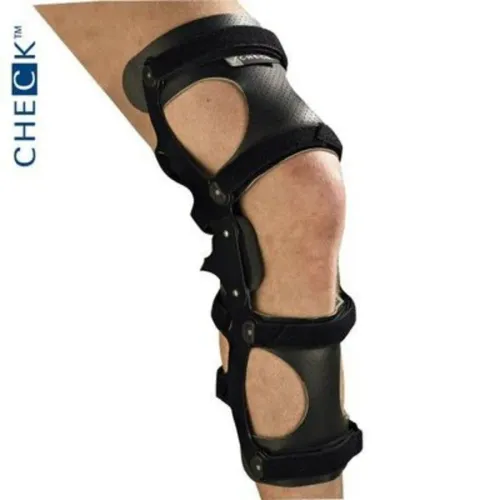
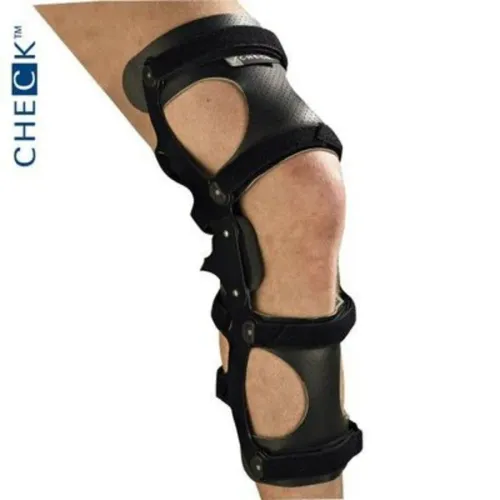
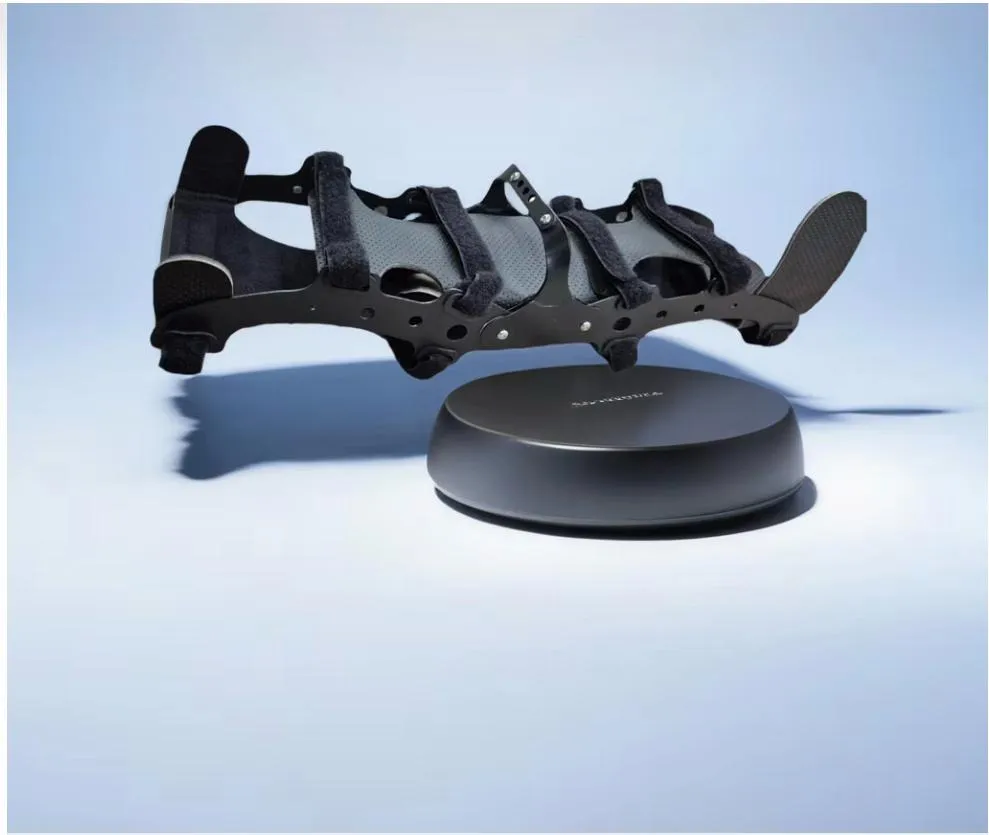
An orthopedic brace is a medical device designed to support, stabilize, and protect different parts of the body such as joints, muscles, and bones. It is widely used in injury recovery, pain management, and rehabilitation.
Orthopedic braces help:
Reduce pain and inflammation
Improve joint alignment and posture
Prevent further injury
Support healing after surgery
These braces are commonly used for conditions like arthritis, ligament injuries, back pain, and muscle weakness. They work by limiting harmful movement and providing external support to affected areas.
👉 At Prosthetic Orthotic Manufacturer, we offer high-quality orthopedic braces designed for comfort, durability, and maximum support.
🦵 How to Measure for a Knee Brace
Proper measurement is essential for selecting the right knee brace. A poorly fitted brace can reduce effectiveness or cause discomfort.
Step-by-Step Measurement Guide:
Measure above the knee (thigh)
Take circumference 4–6 inches above the kneecap
Measure at the center (knee joint)
Wrap tape around the kneecap (patella)
Measure below the knee (calf)
Measure 4–6 inches below the kneecap
Check brace length (if required)
For long braces, measure from thigh to calf
👉 Accurate measurement ensures proper fit, stability, and comfort. A brace that is too tight can restrict blood flow, while a loose one won’t provide support.
🧍 Types of Braces for Back Pain
Back braces are specially designed to support the spine, improve posture, and relieve pressure from muscles and discs.
Common Types:
1. Lumbar Support Brace
Supports lower back (lumbar region)
Ideal for daily use and mild pain
2. Posture Corrector Brace
Helps maintain proper spinal alignment
Useful for office workers and long sitting hours
3. Rigid Back Brace
Provides strong immobilization
Recommended after surgery or severe injury
4. Corset Brace
Flexible and adjustable
Offers moderate compression and comfort
5. Sacroiliac (SI) Belt
Supports pelvic joints
Reduces lower back and hip pain
Back braces help reduce strain, improve stability, and promote faster recovery in chronic and acute conditions.
😁 Do Dental Braces Hurt?
Dental braces may cause mild discomfort, especially during the initial days or after adjustments. However, the pain is temporary and manageable.
What to Expect:
Mild soreness for 3–5 days
Pressure on teeth after tightening
Slight irritation in cheeks or lips
Why Do Braces Hurt?
Braces apply gradual pressure to move teeth into proper alignment. This process can cause temporary discomfort.
Tips to Reduce Pain:
Use orthodontic wax
Eat soft foods
Take mild pain relief if needed
Maintain good oral hygiene
👉 The discomfort is short-term, but the results—perfectly aligned teeth—are long-lasting.
⚖️ Difference Between Brace and Support
Many people confuse braces with supports, but they serve different purposes.
Feature Brace Support
Purpose Stabilization & protection Mild support & compression
Structure Rigid or semi-rigid Soft & flexible
Usage Injury, surgery, severe pain Daily wear, mild discomfort
Movement Limits movement Allows full movement
Example Knee brace with hinges Elastic knee sleeve
👉 In simple terms:
Brace = Medical-grade support with restriction
Support = Lightweight comfort and compression
Knee sleeves, for example, provide light compression but are not considered full braces.
🔚 Conclusion
Orthopedic braces play a vital role in improving mobility, reducing pain, and supporting recovery. Whether it’s a knee brace, back support, or dental braces, choosing the right product and proper fit is essential for effective results.
👉 At Prosthetic Orthotic Manufacturer, we provide reliable and customized orthopedic solutions designed to meet patient needs across India.
An orthopedic brace is a medical device designed to support, stabilize, and protect different parts of the body such as joints, muscles, and bones. It is widely used in injury recovery, pain management, and rehabilitation.
Orthopedic braces help:
Reduce pain and inflammation
Improve joint alignment and posture
Prevent further injury
Support healing after surgery
These braces are commonly used for conditions like arthritis, ligament injuries, back pain, and muscle weakness. They work by limiting harmful movement and providing external support to affected areas.
👉 At Prosthetic Orthotic Manufacturer, we offer high-quality orthopedic braces designed for comfort, durability, and maximum support.
🦵 How to Measure for a Knee Brace
Proper measurement is essential for selecting the right knee brace. A poorly fitted brace can reduce effectiveness or cause discomfort.
Step-by-Step Measurement Guide:
Measure above the knee (thigh)
Take circumference 4–6 inches above the kneecap
Measure at the center (knee joint)
Wrap tape around the kneecap (patella)
Measure below the knee (calf)
Measure 4–6 inches below the kneecap
Check brace length (if required)
For long braces, measure from thigh to calf
👉 Accurate measurement ensures proper fit, stability, and comfort. A brace that is too tight can restrict blood flow, while a loose one won’t provide support.
🧍 Types of Braces for Back Pain
Back braces are specially designed to support the spine, improve posture, and relieve pressure from muscles and discs.
Common Types:
1. Lumbar Support Brace
Supports lower back (lumbar region)
Ideal for daily use and mild pain
2. Posture Corrector Brace
Helps maintain proper spinal alignment
Useful for office workers and long sitting hours
3. Rigid Back Brace
Provides strong immobilization
Recommended after surgery or severe injury
4. Corset Brace
Flexible and adjustable
Offers moderate compression and comfort
5. Sacroiliac (SI) Belt
Supports pelvic joints
Reduces lower back and hip pain
Back braces help reduce strain, improve stability, and promote faster recovery in chronic and acute conditions.
😁 Do Dental Braces Hurt?
Dental braces may cause mild discomfort, especially during the initial days or after adjustments. However, the pain is temporary and manageable.
What to Expect:
Mild soreness for 3–5 days
Pressure on teeth after tightening
Slight irritation in cheeks or lips
Why Do Braces Hurt?
Braces apply gradual pressure to move teeth into proper alignment. This process can cause temporary discomfort.
Tips to Reduce Pain:
Use orthodontic wax
Eat soft foods
Take mild pain relief if needed
Maintain good oral hygiene
👉 The discomfort is short-term, but the results—perfectly aligned teeth—are long-lasting.
⚖️ Difference Between Brace and Support
Many people confuse braces with supports, but they serve different purposes.
Feature Brace Support
Purpose Stabilization & protection Mild support & compression
Structure Rigid or semi-rigid Soft & flexible
Usage Injury, surgery, severe pain Daily wear, mild discomfort
Movement Limits movement Allows full movement
Example Knee brace with hinges Elastic knee sleeve
👉 In simple terms:
Brace = Medical-grade support with restriction
Support = Lightweight comfort and compression
Knee sleeves, for example, provide light compression but are not considered full braces.
🔚 Conclusion
Orthopedic braces play a vital role in improving mobility, reducing pain, and supporting recovery. Whether it’s a knee brace, back support, or dental braces, choosing the right product and proper fit is essential for effective results.
👉 At Prosthetic Orthotic Manufacturer, we provide reliable and customized orthopedic solutions designed to meet patient needs across India.
Keywords