Rehabilitation professionals require reliable and adaptable prosthetic solutions to meet the diverse mobility needs of patients. Modular prosthetic components have transformed the prosthetics industry by providing flexibility, customization, and improved functionality. These components allow prosthetists and rehabilitation specialists to create personalized artificial limb systems that support comfort, mobility, and long-term performance.
For rehabilitation centers, hospitals, prosthetic clinics, and healthcare providers, high-quality modular prosthetic components play a vital role in delivering effective rehabilitation outcomes and improving patient independence.
What Are Modular Prosthetic Components?
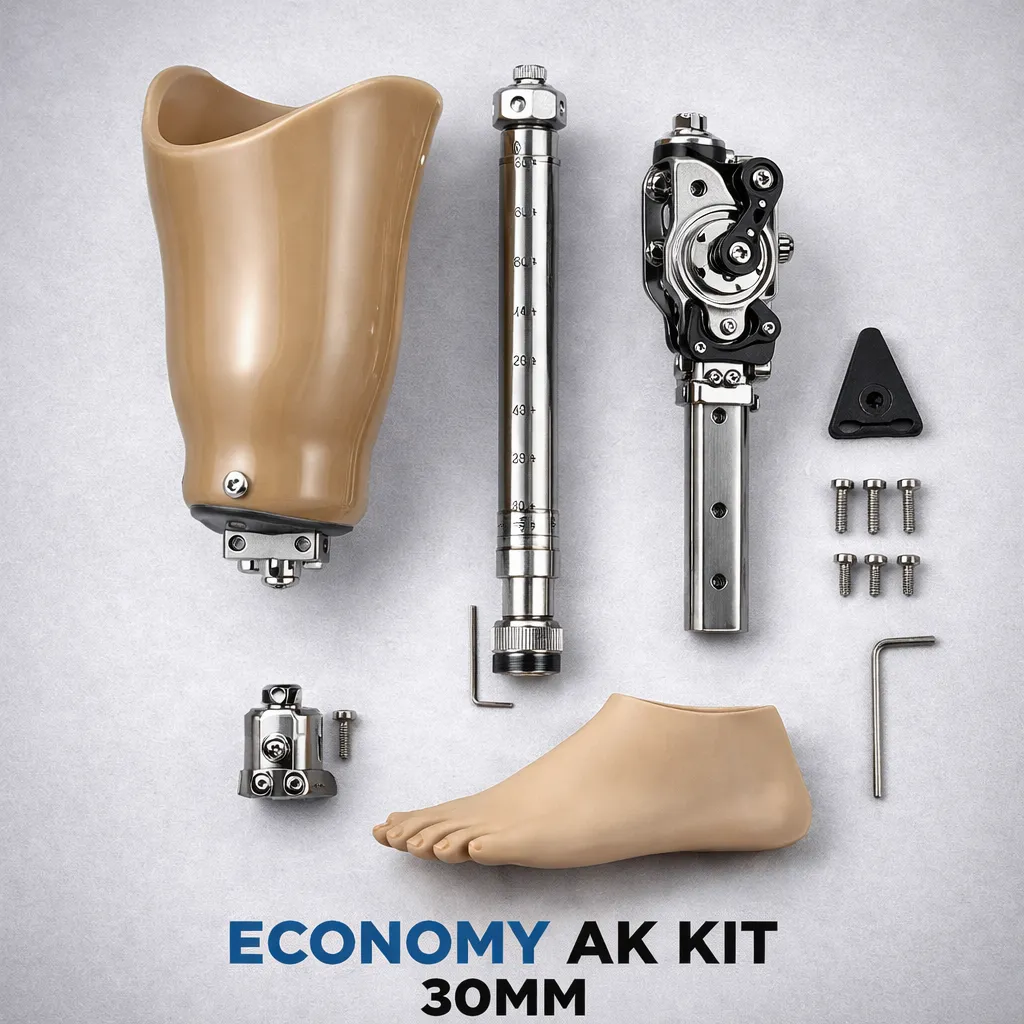
Modular prosthetic components are individual parts that can be assembled and adjusted to create customized prosthetic limbs. Unlike traditional fixed systems, modular designs allow healthcare professionals to select and combine components based on a patient's physical requirements, activity level, and rehabilitation goals.
These systems provide greater flexibility during fitting and enable future modifications as patient needs change over time.
Key Components of a Modular Prosthetic System
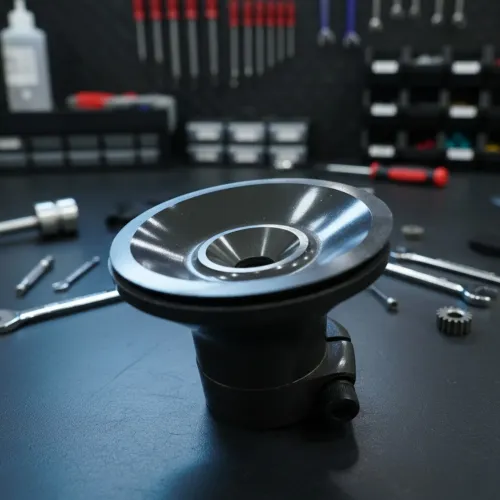
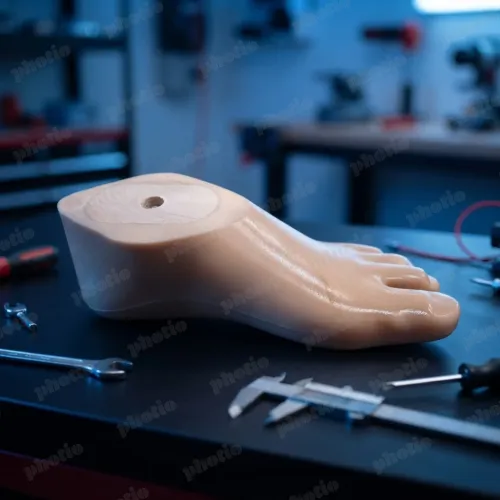
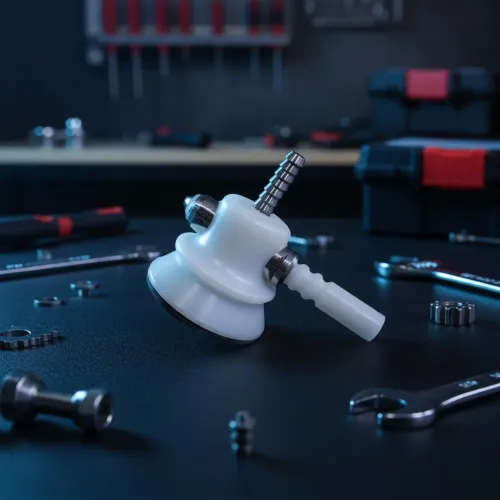
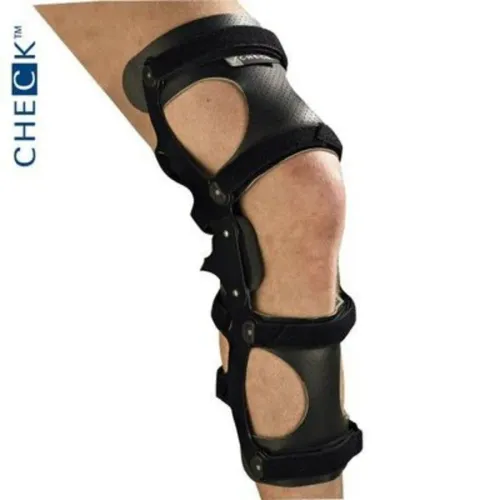
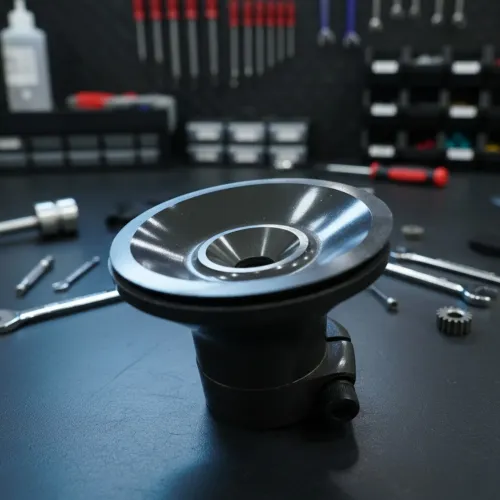
A modular prosthetic limb consists of several essential components that work together to provide stability, support, and mobility. These commonly include prosthetic feet, knee joints, pylons, adapters, connectors, and alignment systems.
Each component is designed to integrate seamlessly with the others, allowing rehabilitation professionals to create solutions tailored to individual patient requirements.
Benefits of Modular Prosthetic Components for Rehabilitation Professionals
Modular prosthetic systems offer significant advantages for prosthetists, orthotists, and rehabilitation specialists. The ability to customize and adjust components helps improve fitting accuracy and overall patient satisfaction.
The major benefits include:
Improved customization options
Simplified assembly and adjustments
Enhanced patient comfort
Better mobility and functionality
Easy maintenance and component replacement
Long-term adaptability for changing patient needs
Why Rehabilitation Centers Prefer Modular Prosthetic Solutions
Rehabilitation centers work with patients of different ages, lifestyles, and mobility levels. Modular prosthetic systems allow clinicians to address these varying requirements efficiently.
By using modular components, professionals can optimize prosthetic performance while reducing fitting challenges. This flexibility helps rehabilitation teams deliver more personalized care and improve patient outcomes throughout the recovery process.
Applications of Modular Prosthetic Components
Modular prosthetic components are widely used in:
Rehabilitation centers
Prosthetic and orthotic clinics
Hospitals and medical institutions
Artificial limb fitting centers
Veteran rehabilitation programs
Specialized mobility care facilities
These components support both lower-limb and upper-limb prosthetic applications across a wide range of patient needs.
Importance of Quality Manufacturing in Prosthetic Components
The performance of a prosthetic system depends heavily on the quality of its components. Reliable manufacturing processes ensure durability, precision, and compatibility between different parts.
High-quality modular prosthetic components help rehabilitation professionals provide safe and dependable mobility solutions that can withstand daily use while maintaining performance standards.
Factors to Consider When Choosing Modular Prosthetic Components
Healthcare providers should evaluate several factors before selecting prosthetic components, including material quality, durability, compatibility, adjustability, and patient-specific requirements.
Choosing components from a trusted manufacturer helps ensure consistent quality, reliable performance, and long-term support for rehabilitation programs.
The Future of Modular Prosthetic Technology
Advancements in prosthetic engineering continue to improve the functionality of modular systems. Lightweight materials, enhanced mobility features, and precision manufacturing technologies are helping create more efficient prosthetic solutions.
As rehabilitation practices evolve, modular prosthetic components will continue to play an important role in supporting patient mobility, independence, and quality of life.
Conclusion
Modular prosthetic components provide rehabilitation professionals with the flexibility and reliability needed to create customized mobility solutions for patients. Their adaptability, ease of adjustment, and long-term performance make them an essential part of modern prosthetic care.
For rehabilitation centers, hospitals, and prosthetic clinics, investing in high-quality modular prosthetic components helps improve patient outcomes while supporting efficient and effective rehabilitation services.
For rehabilitation centers, hospitals, prosthetic clinics, and healthcare providers, high-quality modular prosthetic components play a vital role in delivering effective rehabilitation outcomes and improving patient independence.
What Are Modular Prosthetic Components?
Modular prosthetic components are individual parts that can be assembled and adjusted to create customized prosthetic limbs. Unlike traditional fixed systems, modular designs allow healthcare professionals to select and combine components based on a patient's physical requirements, activity level, and rehabilitation goals.
These systems provide greater flexibility during fitting and enable future modifications as patient needs change over time.
Key Components of a Modular Prosthetic System
A modular prosthetic limb consists of several essential components that work together to provide stability, support, and mobility. These commonly include prosthetic feet, knee joints, pylons, adapters, connectors, and alignment systems.
Each component is designed to integrate seamlessly with the others, allowing rehabilitation professionals to create solutions tailored to individual patient requirements.
Benefits of Modular Prosthetic Components for Rehabilitation Professionals
Modular prosthetic systems offer significant advantages for prosthetists, orthotists, and rehabilitation specialists. The ability to customize and adjust components helps improve fitting accuracy and overall patient satisfaction.
The major benefits include:
Improved customization options
Simplified assembly and adjustments
Enhanced patient comfort
Better mobility and functionality
Easy maintenance and component replacement
Long-term adaptability for changing patient needs
Why Rehabilitation Centers Prefer Modular Prosthetic Solutions
Rehabilitation centers work with patients of different ages, lifestyles, and mobility levels. Modular prosthetic systems allow clinicians to address these varying requirements efficiently.
By using modular components, professionals can optimize prosthetic performance while reducing fitting challenges. This flexibility helps rehabilitation teams deliver more personalized care and improve patient outcomes throughout the recovery process.
Applications of Modular Prosthetic Components
Modular prosthetic components are widely used in:
Rehabilitation centers
Prosthetic and orthotic clinics
Hospitals and medical institutions
Artificial limb fitting centers
Veteran rehabilitation programs
Specialized mobility care facilities
These components support both lower-limb and upper-limb prosthetic applications across a wide range of patient needs.
Importance of Quality Manufacturing in Prosthetic Components
The performance of a prosthetic system depends heavily on the quality of its components. Reliable manufacturing processes ensure durability, precision, and compatibility between different parts.
High-quality modular prosthetic components help rehabilitation professionals provide safe and dependable mobility solutions that can withstand daily use while maintaining performance standards.
Factors to Consider When Choosing Modular Prosthetic Components
Healthcare providers should evaluate several factors before selecting prosthetic components, including material quality, durability, compatibility, adjustability, and patient-specific requirements.
Choosing components from a trusted manufacturer helps ensure consistent quality, reliable performance, and long-term support for rehabilitation programs.
The Future of Modular Prosthetic Technology
Advancements in prosthetic engineering continue to improve the functionality of modular systems. Lightweight materials, enhanced mobility features, and precision manufacturing technologies are helping create more efficient prosthetic solutions.
As rehabilitation practices evolve, modular prosthetic components will continue to play an important role in supporting patient mobility, independence, and quality of life.
Conclusion
Modular prosthetic components provide rehabilitation professionals with the flexibility and reliability needed to create customized mobility solutions for patients. Their adaptability, ease of adjustment, and long-term performance make them an essential part of modern prosthetic care.
For rehabilitation centers, hospitals, and prosthetic clinics, investing in high-quality modular prosthetic components helps improve patient outcomes while supporting efficient and effective rehabilitation services.
Keywords