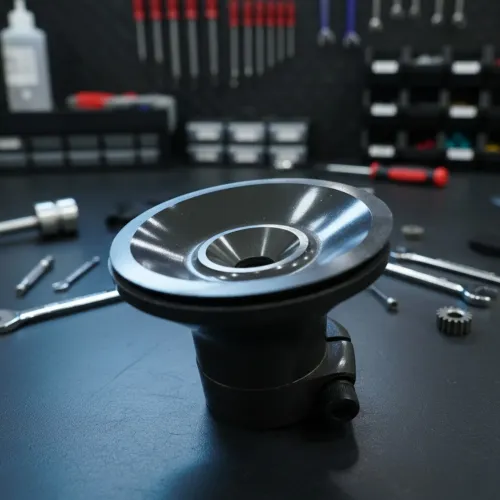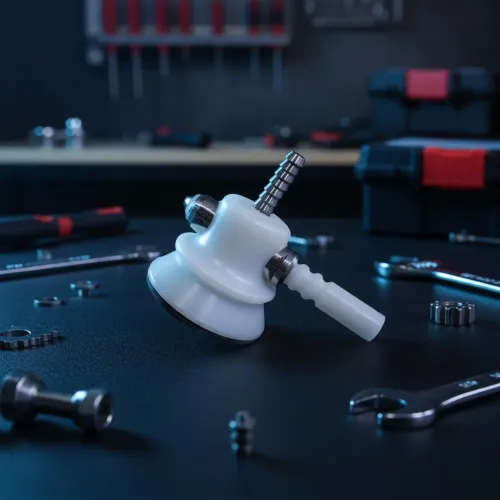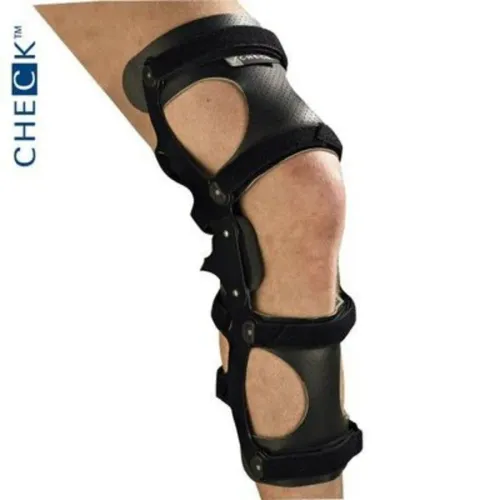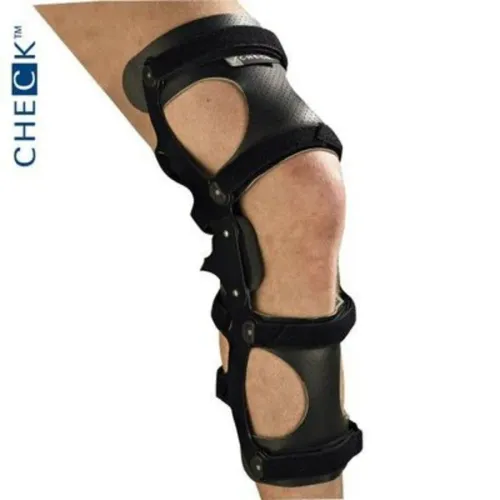
A drop lock knee joint is a widely used mechanical component in the orthotic field, especially in knee ankle foot orthoses (KAFOs). It is designed to provide knee stability during standing and walking for patients who have weak quadriceps muscles, neurological disorders, or knee instability. The drop lock knee joint works by locking the knee in full extension, preventing unwanted knee flexion and reducing the risk of falls.
In clinical orthotics, the drop lock knee joint is valued for its simple design, durability, and cost-effectiveness. The locking mechanism automatically engages when the knee reaches full extension, offering secure support during the stance phase of gait. To sit or allow knee bending, the user manually releases the lock using a small lever or ring, making it suitable for patients with adequate hand function.
This knee joint is commonly prescribed for conditions such as post-polio syndrome, spinal cord injury, stroke, and lower limb paralysis. Orthotists prefer drop lock knee joints because they are easy to fabricate, adjust, and maintain, making them ideal for long-term orthotic use.
Keywords