What Are Prosthetic Devices and How Do They Improve Mobility?
When people search online for information about artificial limbs and mobility solutions, they often use terms such as Prosthetic Devices, Artificial Limbs, Prosthetic Leg, Prosthetic Arm, Mobility Aids, Prosthetic Components, Rehabilitation Solutions, and Advanced Prosthetic Technology. Understanding prosthetic devices can help individuals, caregivers, hospitals, and rehabilitation centers make informed decisions about mobility and independence.
Introduction
Prosthetic devices are artificial replacements designed for individuals who have lost a limb due to injury, illness, congenital conditions, or medical procedures. These devices are carefully engineered to restore functionality, improve mobility, and help users perform daily activities with greater confidence and independence.
Modern prosthetic technology has evolved significantly over the years, offering lightweight, durable, and highly functional solutions that closely mimic natural limb movement. Prosthetic devices play a vital role in rehabilitation and improving the overall quality of life for amputees.
What Are Prosthetic Devices?
A prosthetic device is an artificial limb or body part that replaces a missing limb and helps restore movement and functionality. Prostheses are custom-designed to suit the user's physical requirements, lifestyle, and activity level.
These devices are commonly used to replace:
Legs and feet
Arms and hands
Fingers and toes
Partial limbs
Advanced prosthetic systems are designed to provide comfort, stability, balance, and improved mobility while supporting the user's rehabilitation journey.
Types of Prosthetic Devices
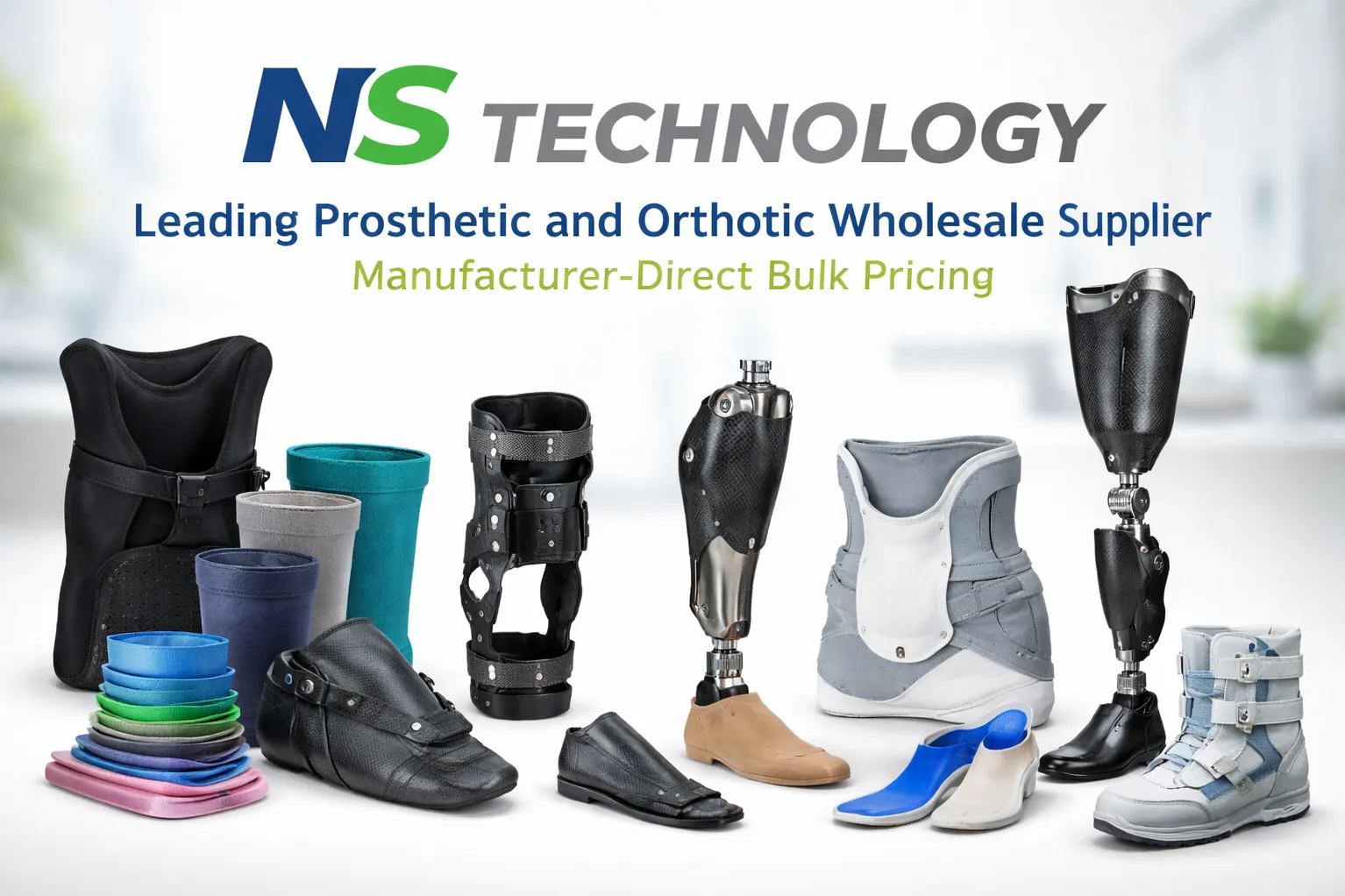
Lower Limb Prosthetics
Lower limb prosthetics are designed to replace missing legs, feet, or portions of the lower extremities. These devices help users stand, walk, climb stairs, and perform everyday activities more comfortably.
Common examples include:
Below-Knee Prosthesis
Above-Knee Prosthesis
Partial Foot Prosthesis
Prosthetic Foot Systems
Prosthetic Knee Joint Systems
Upper Limb Prosthetics
Upper limb prosthetics help individuals regain functionality in their hands, arms, or fingers.
Popular upper limb prosthetic solutions include:
Prosthetic Hand
Prosthetic Arm
Myoelectric Prosthetic Devices
Cosmetic Prostheses
Functional Prosthetic Systems
These devices enable users to perform daily tasks such as holding objects, writing, eating, and operating equipment.
How Do Prosthetic Devices Improve Mobility?
Restoring Independence
One of the most significant benefits of prosthetic devices is the restoration of independence. Users can regain the ability to move freely, participate in social activities, and carry out daily routines with minimal assistance.
Improving Walking and Balance
Modern lower limb prosthetics are designed to provide enhanced stability and natural movement patterns. Advanced prosthetic feet and knee joints help users maintain balance and reduce the risk of falls.
Enhancing Physical Activity
Many prosthetic users return to active lifestyles, including sports, exercise, and recreational activities. Specialized prosthetic components are available for running, cycling, hiking, and other physical activities.
Supporting Rehabilitation
Prosthetic devices are an essential part of the rehabilitation process. They help individuals regain strength, improve posture, and adapt to new movement patterns after limb loss.
Boosting Confidence and Quality of Life
The ability to move independently often has a positive impact on emotional well-being and self-confidence. Prosthetic devices allow individuals to participate more actively in work, education, and social environments.
Key Components of a Prosthetic Device
A prosthetic system consists of several important components that work together to provide comfort and functionality.
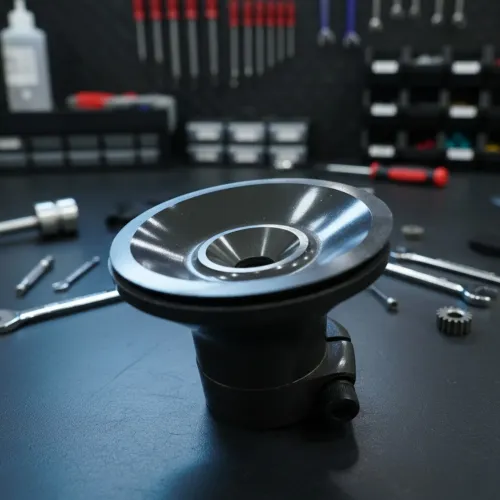
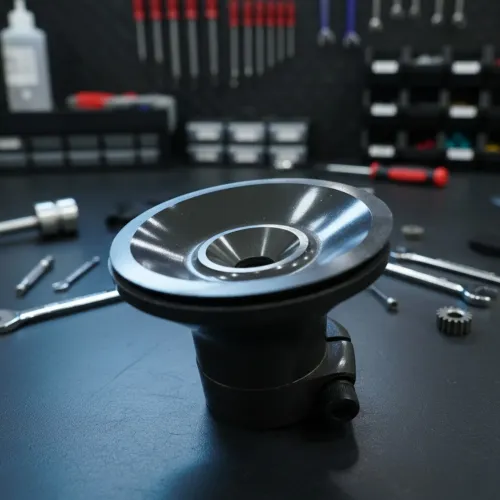
Socket
The socket connects the residual limb to the prosthetic device and is custom-made for a secure fit.
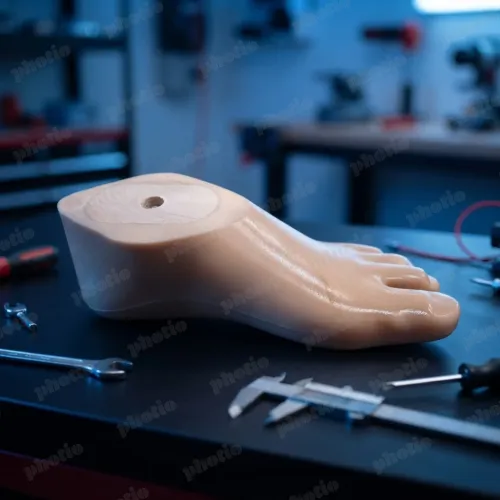
Prosthetic Foot
The prosthetic foot provides stability, shock absorption, and support during walking.
Prosthetic Knee Joint
For above-knee amputees, the prosthetic knee joint plays a critical role in movement and balance.
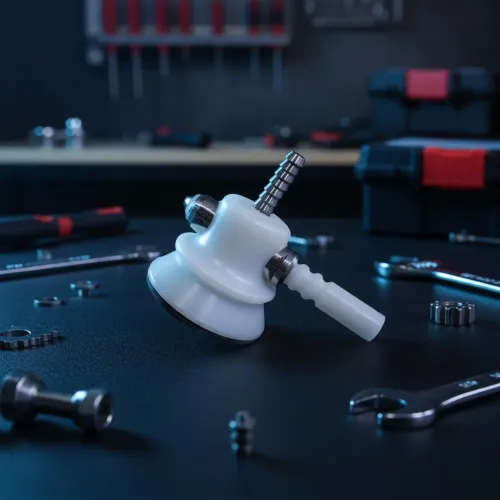
Adapters and Connectors
These components connect various parts of the prosthetic system and ensure structural integrity.
Suspension System
The suspension system helps keep the prosthesis securely attached during movement.
Technological Advancements in Prosthetics
Modern prosthetic devices utilize advanced materials and engineering technologies to improve performance and comfort.
Recent innovations include:
Carbon Fiber Prosthetic Feet
Microprocessor-Controlled Knee Joints
Lightweight Composite Materials
Energy-Storing Prosthetic Components
Myoelectric Prosthetic Arms
Customized Modular Prosthetic Systems
These technologies provide improved functionality and a more natural user experience.
Choosing the Right Prosthetic Device
Selecting the appropriate prosthetic solution depends on several factors, including:
Level of amputation
Age and physical condition
Daily activity requirements
Occupation and lifestyle
Rehabilitation goals
Budget and long-term needs
Working with experienced prosthetic professionals helps ensure the best possible outcome and long-term comfort.
Importance of Quality Prosthetic Components
High-quality prosthetic components contribute significantly to device performance, durability, and user safety. Reliable manufacturing standards ensure that prosthetic devices can withstand daily use while providing consistent support and mobility.
Healthcare providers, rehabilitation centers, and prosthetic clinics often prefer partnering with trusted prosthetic component manufacturers to ensure optimal outcomes for patients.
Why Prosthetic Devices Matter
Prosthetic devices do much more than replace a missing limb. They restore mobility, support independence, improve physical function, and help individuals lead productive and fulfilling lives. With advancements in prosthetic technology, users today have access to solutions that offer greater comfort, functionality, and confidence than ever before.
Internal Links
Home: https://www.prostheticorthoticmanufacturer.com/
Prosthetic Components: https://www.prostheticorthoticmanufacturer.com/prosthetic-components.html
Orthotic Components: https://www.prostheticorthoticmanufacturer.com/orthotic-components.html
Hospital Supply Solutions: https://www.prostheticorthoticmanufacturer.com/
When people search online for information about artificial limbs and mobility solutions, they often use terms such as Prosthetic Devices, Artificial Limbs, Prosthetic Leg, Prosthetic Arm, Mobility Aids, Prosthetic Components, Rehabilitation Solutions, and Advanced Prosthetic Technology. Understanding prosthetic devices can help individuals, caregivers, hospitals, and rehabilitation centers make informed decisions about mobility and independence.
Introduction
Prosthetic devices are artificial replacements designed for individuals who have lost a limb due to injury, illness, congenital conditions, or medical procedures. These devices are carefully engineered to restore functionality, improve mobility, and help users perform daily activities with greater confidence and independence.
Modern prosthetic technology has evolved significantly over the years, offering lightweight, durable, and highly functional solutions that closely mimic natural limb movement. Prosthetic devices play a vital role in rehabilitation and improving the overall quality of life for amputees.
What Are Prosthetic Devices?
A prosthetic device is an artificial limb or body part that replaces a missing limb and helps restore movement and functionality. Prostheses are custom-designed to suit the user's physical requirements, lifestyle, and activity level.
These devices are commonly used to replace:
Legs and feet
Arms and hands
Fingers and toes
Partial limbs
Advanced prosthetic systems are designed to provide comfort, stability, balance, and improved mobility while supporting the user's rehabilitation journey.
Types of Prosthetic Devices
Lower Limb Prosthetics
Lower limb prosthetics are designed to replace missing legs, feet, or portions of the lower extremities. These devices help users stand, walk, climb stairs, and perform everyday activities more comfortably.
Common examples include:
Below-Knee Prosthesis
Above-Knee Prosthesis
Partial Foot Prosthesis
Prosthetic Foot Systems
Prosthetic Knee Joint Systems
Upper Limb Prosthetics
Upper limb prosthetics help individuals regain functionality in their hands, arms, or fingers.
Popular upper limb prosthetic solutions include:
Prosthetic Hand
Prosthetic Arm
Myoelectric Prosthetic Devices
Cosmetic Prostheses
Functional Prosthetic Systems
These devices enable users to perform daily tasks such as holding objects, writing, eating, and operating equipment.
How Do Prosthetic Devices Improve Mobility?
Restoring Independence
One of the most significant benefits of prosthetic devices is the restoration of independence. Users can regain the ability to move freely, participate in social activities, and carry out daily routines with minimal assistance.
Improving Walking and Balance
Modern lower limb prosthetics are designed to provide enhanced stability and natural movement patterns. Advanced prosthetic feet and knee joints help users maintain balance and reduce the risk of falls.
Enhancing Physical Activity
Many prosthetic users return to active lifestyles, including sports, exercise, and recreational activities. Specialized prosthetic components are available for running, cycling, hiking, and other physical activities.
Supporting Rehabilitation
Prosthetic devices are an essential part of the rehabilitation process. They help individuals regain strength, improve posture, and adapt to new movement patterns after limb loss.
Boosting Confidence and Quality of Life
The ability to move independently often has a positive impact on emotional well-being and self-confidence. Prosthetic devices allow individuals to participate more actively in work, education, and social environments.
Key Components of a Prosthetic Device
A prosthetic system consists of several important components that work together to provide comfort and functionality.
Socket
The socket connects the residual limb to the prosthetic device and is custom-made for a secure fit.
Prosthetic Foot
The prosthetic foot provides stability, shock absorption, and support during walking.
Prosthetic Knee Joint
For above-knee amputees, the prosthetic knee joint plays a critical role in movement and balance.
Adapters and Connectors
These components connect various parts of the prosthetic system and ensure structural integrity.
Suspension System
The suspension system helps keep the prosthesis securely attached during movement.
Technological Advancements in Prosthetics
Modern prosthetic devices utilize advanced materials and engineering technologies to improve performance and comfort.
Recent innovations include:
Carbon Fiber Prosthetic Feet
Microprocessor-Controlled Knee Joints
Lightweight Composite Materials
Energy-Storing Prosthetic Components
Myoelectric Prosthetic Arms
Customized Modular Prosthetic Systems
These technologies provide improved functionality and a more natural user experience.
Choosing the Right Prosthetic Device
Selecting the appropriate prosthetic solution depends on several factors, including:
Level of amputation
Age and physical condition
Daily activity requirements
Occupation and lifestyle
Rehabilitation goals
Budget and long-term needs
Working with experienced prosthetic professionals helps ensure the best possible outcome and long-term comfort.
Importance of Quality Prosthetic Components
High-quality prosthetic components contribute significantly to device performance, durability, and user safety. Reliable manufacturing standards ensure that prosthetic devices can withstand daily use while providing consistent support and mobility.
Healthcare providers, rehabilitation centers, and prosthetic clinics often prefer partnering with trusted prosthetic component manufacturers to ensure optimal outcomes for patients.
Why Prosthetic Devices Matter
Prosthetic devices do much more than replace a missing limb. They restore mobility, support independence, improve physical function, and help individuals lead productive and fulfilling lives. With advancements in prosthetic technology, users today have access to solutions that offer greater comfort, functionality, and confidence than ever before.
Internal Links
Home: https://www.prostheticorthoticmanufacturer.com/
Prosthetic Components: https://www.prostheticorthoticmanufacturer.com/prosthetic-components.html
Orthotic Components: https://www.prostheticorthoticmanufacturer.com/orthotic-components.html
Hospital Supply Solutions: https://www.prostheticorthoticmanufacturer.com/
Keywords